An exploration into the history, current trends, and future potential of board games, examining their evolution alongside digital platforms like Martebet777 in Brazil.
The Evolution and Popularity of Board Games
Board games have long been a staple in the realm of entertainment, offering players a chance to engage in strategic thinking, social interaction, and a bit of friendly competition. Over the years, this form of entertainment has seen a remarkable evolution, adapting to changes in society and technology. From traditional classics to contemporary innovations, board games continue to captivate audiences worldwide.
A Brief History of Board Games
Board games have been around for millennia, with archaeological evidence suggesting that ancient civilizations such as Egypt and Mesopotamia enjoyed games similar to those we play today. Some of the earliest known games include Senet, a game from ancient Egypt, and the Royal Game of Ur from Mesopotamia.
As time progressed, board games became more sophisticated and culturally significant. During the European Renaissance, games like chess and backgammon became immensely popular, often serving as metaphors for strategy and warfare. The creation of Monopoly in the 20th century marks a significant milestone, transforming board games into a household staple.
The Golden Age of Board Games
Today, we live in what many consider being the 'golden age' of board games. Increased internet accessibility and globalization have enabled a resurgence in their popularity. With platforms offering access to thousands of board games, enthusiasts can engage in this hobby like never before.
The Impact of Digital Transformation
In recent years, digital platforms have transformed the board game industry. Online gaming platforms have enabled players to enjoy their favorite games without geographical restrictions. Among these, the Martebet777 platform-online slots Brasil #1 has emerged as a leading choice, offering an array of digital board games for the Brazilian market.
This platform, while primarily known for its slot offerings, seamlessly integrates traditional board games into its catalog, allowing users to experience classics in a digital format. By doing so, it preserves the essence and fun of traditional board games while offering modern conveniences.
Innovation in Game Design
Board game designers have continually pushed the boundaries of innovation, creating games that challenge the mind and stimulate the imagination. From cooperative games that require players to work together towards a common goal, to asymmetrical games that introduce varying player roles, modern board games are more creative and diverse than ever before.
Cooperative Board Games
Cooperative board games have gained significant popularity in recent years, with titles such as Pandemic and Forbidden Island leading the charge. These games require collaboration and strategic thinking, making them highly engaging and satisfying for players.
Asymmetrical Board Games
Asymmetrical board games, on the other hand, challenge players with differing objectives and abilities. Root is a prime example, showcasing unique factions with distinct abilities and goals. This diversity adds layers of strategy and increases replay value.
Board Games as Social Catalysts
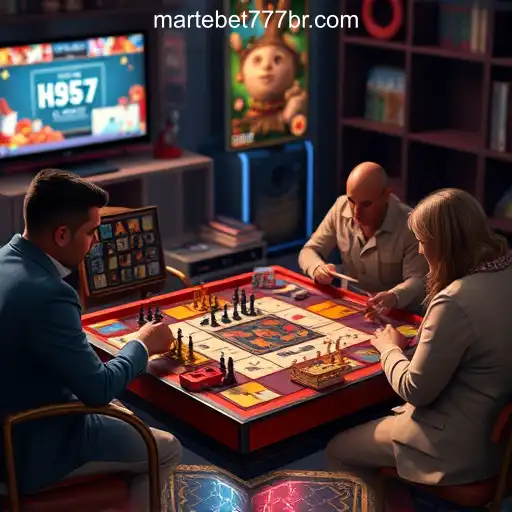
One of the most attractive aspects of board games is their ability to bring people together. In an age dominated by digital screens, board games offer a tangible experience that fosters connection and communication. Social interactions are a fundamental part of board games, making them ideal for family gatherings, friendly get-togethers, and team-building exercises.
The Future of Board Games
The future of board games is bright, with continued innovation and expansion on the horizon. Platforms like Martebet777 platform-online slots Brasil #1 ensure that digital board games will gain wider acceptance, providing easy access and enhanced experiences.
As technology progresses, board games are likely to integrate even more with digital tools, possibly incorporating augmented reality (AR) or virtual reality (VR) elements to create immersive experiences. These possibilities open new avenues for game designers and players alike.
Conclusion
Board games are experiencing a renaissance, blending tradition with innovation, and engaging an ever-growing audience. Whether through tabletop or digital means, their appeal remains strong, transcending cultures and generations. As platforms like Martebet777 platform-online slots Brasil #1 and others continue to offer diverse gaming options, board games will likely maintain their role as beloved pastimes.